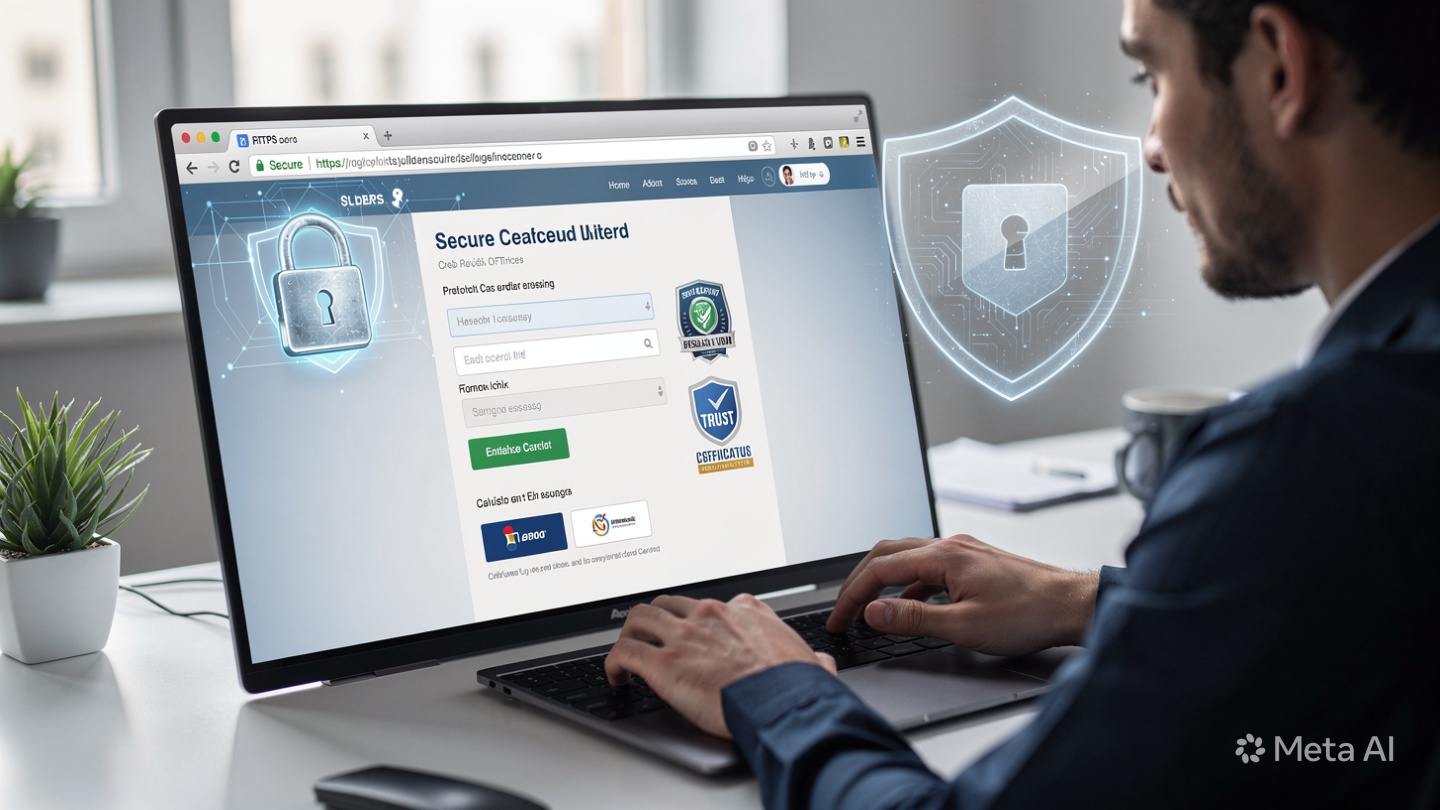
Would you enter your credit card on a site that says “Not Secure” in the browser bar? Most people wouldn’t. Today, users want assurance that their data is safe before they fill out a form, make a purchase, or even share an email. For Minneapolis businesses, website security isn’t just IT’s job — it’s a core part of customer trust and brand reputation.
1. Visual Trust Signals Matter
That little padlock in the browser? It’s powered by an SSL certificate. SSL encrypts data between the user and your server, protecting logins, payments, and contact forms from interception. Without it, browsers flash “Not Secure” warnings that scare visitors away. Google also uses HTTPS as a ranking signal. SSL is the baseline — if you don’t have it, customers and search engines notice.
2. Secure Hosting Prevents Costly Downtime
Cheap hosting often means shared servers, outdated software, and slow response to threats. One malware attack can take your site offline, leak customer data, and tank your reputation overnight. Professional, secure hosting includes firewalls, malware scanning, DDoS protection, and daily backups. If something does go wrong, you can restore quickly instead of losing days of sales and credibility.
3. Regular Updates Close the Door on Hackers
Outdated CMS platforms, plugins, and themes are the #1 way sites get hacked. Attackers scan for known vulnerabilities 24/7. Routine updates, security patches, and vulnerability monitoring keep those doors locked. It’s like changing the locks on your storefront — you wouldn’t skip it for years and hope for the best.
4. Security Directly Impacts Conversions
Baymard Institute found 18% of users abandon checkout due to trust concerns. Displaying trust badges, using secure payment gateways, and having a clear privacy policy all reassure buyers. When customers feel safe, they complete forms, book services, and buy products. When they don’t, they leave.
5. Compliance Protects You and Your Customers
From GDPR to state privacy laws, businesses handling personal data have a responsibility to protect it. A secure website helps you stay compliant and avoid fines, lawsuits, and PR disasters. More importantly, it shows customers you respect their data.
The takeaway: SSL certificates, secure hosting, and updates improve security and trust. A breach doesn’t just cost money — it costs the confidence of every customer who hears about it.
At Optimum Design Technologies, security is integrated into every website project. We build Minneapolis businesses sites with SSL, hardened hosting, proactive updates, and monitoring from day one. Because trust is hard to earn and easy to lose.