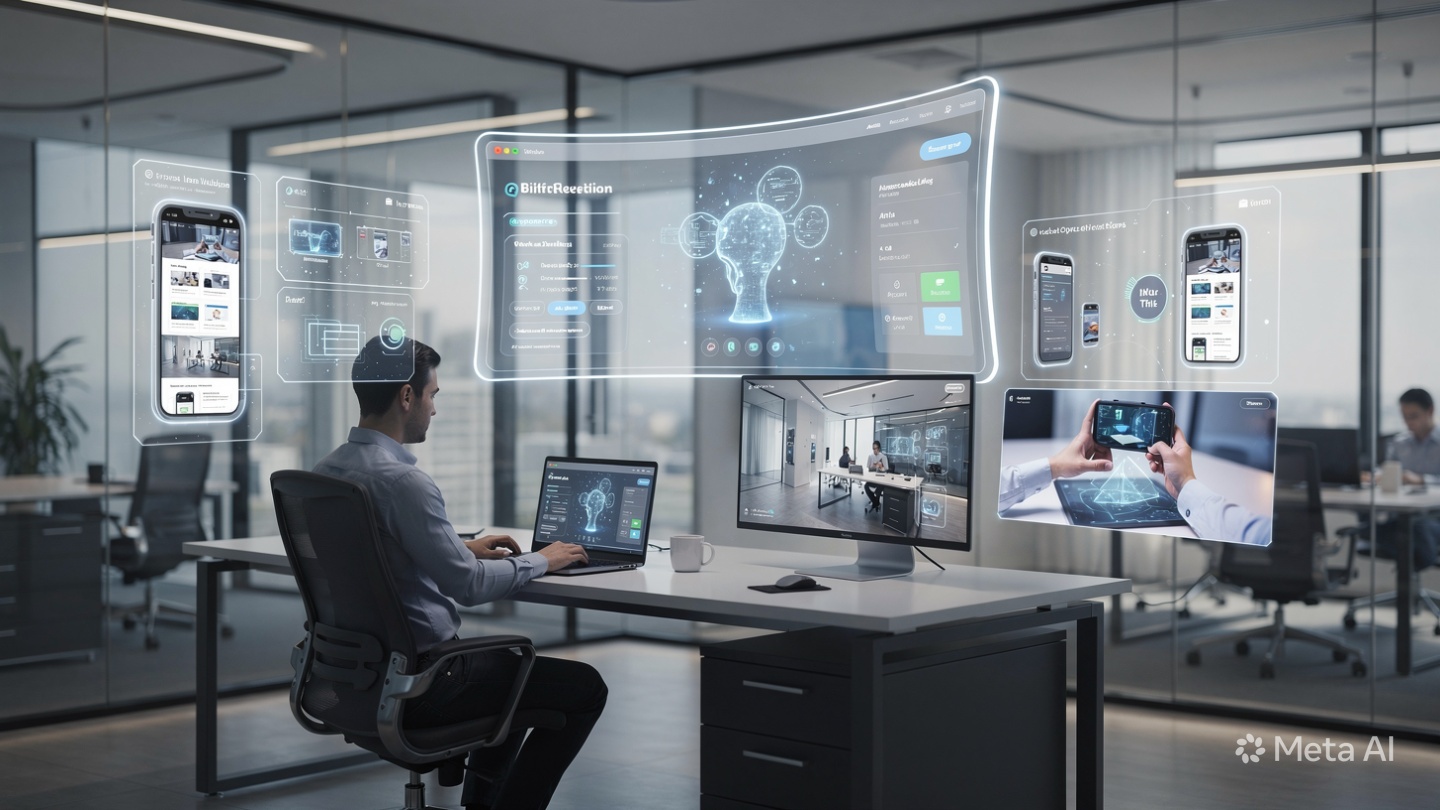
The websites that win in 2026 and beyond won’t just look modern — they’ll think, adapt, and respond. AI, automation, and personalization are already reshaping web design, and Minneapolis businesses that adapt to these technologies will stay competitive. The future isn’t coming. It’s already loading.
1. AI-Powered Experiences Become Standard
Static websites are giving way to intelligent ones. AI chatbots now handle customer service 24/7, answering questions and booking appointments without human delay. AI-driven search understands intent, not just keywords, delivering better on-site results. Design tools use AI to A/B test layouts in real time, showing each visitor the version most likely to convert. Future-ready sites won’t just display information — they’ll anticipate needs.
2. Hyper-Personalization Replaces “One-Size-Fits-All”
Tomorrow’s users expect websites to remember them. Personalization engines will adjust content, product recommendations, and CTAs based on location, past behavior, device, and even time of day. A Minneapolis visitor sees winter service specials in January, while a returning customer gets a loyalty offer. Automation makes this scalable. Generic homepages will feel outdated fast.
3. Voice, Visual, and Zero-UI Interactions Grow
With smart speakers and visual search, people aren’t always typing. Websites optimized for voice queries, image search, and conversational navigation will capture traffic others miss. Structured data, fast-loading media, and natural language content help AI assistants pull your business as the answer. Zero-click experiences — where users get what they need without a second page load — will define usability.
4. Core Web Performance Is the Price of Entry
Google’s standards keep rising. AI-driven search rewards sites that load instantly, adapt to any screen, and provide stable, accessible experiences. Automation will handle image optimization, code splitting, and predictive preloading behind the scenes. If your site isn’t lightning-fast and mobile-perfect, it won’t compete — no matter how good it looks.
5. Design Systems Built for Change
The future moves too fast for 5-year redesign cycles. Modular design systems, headless CMS platforms, and API-first architecture let businesses launch new features, campaigns, or integrations without rebuilding. Agility is the new competitive edge.
The reality: AI, automation, and personalization continue shaping the future of web design. Businesses that adapt to changing technologies will stay competitive. Those that don’t will fade from search results and customer minds alike.
At Optimum Design Technologies, we create future-ready websites designed for long-term growth. From AI integration to scalable architecture, we help Minneapolis businesses build digital platforms that evolve with technology — and with their customers.