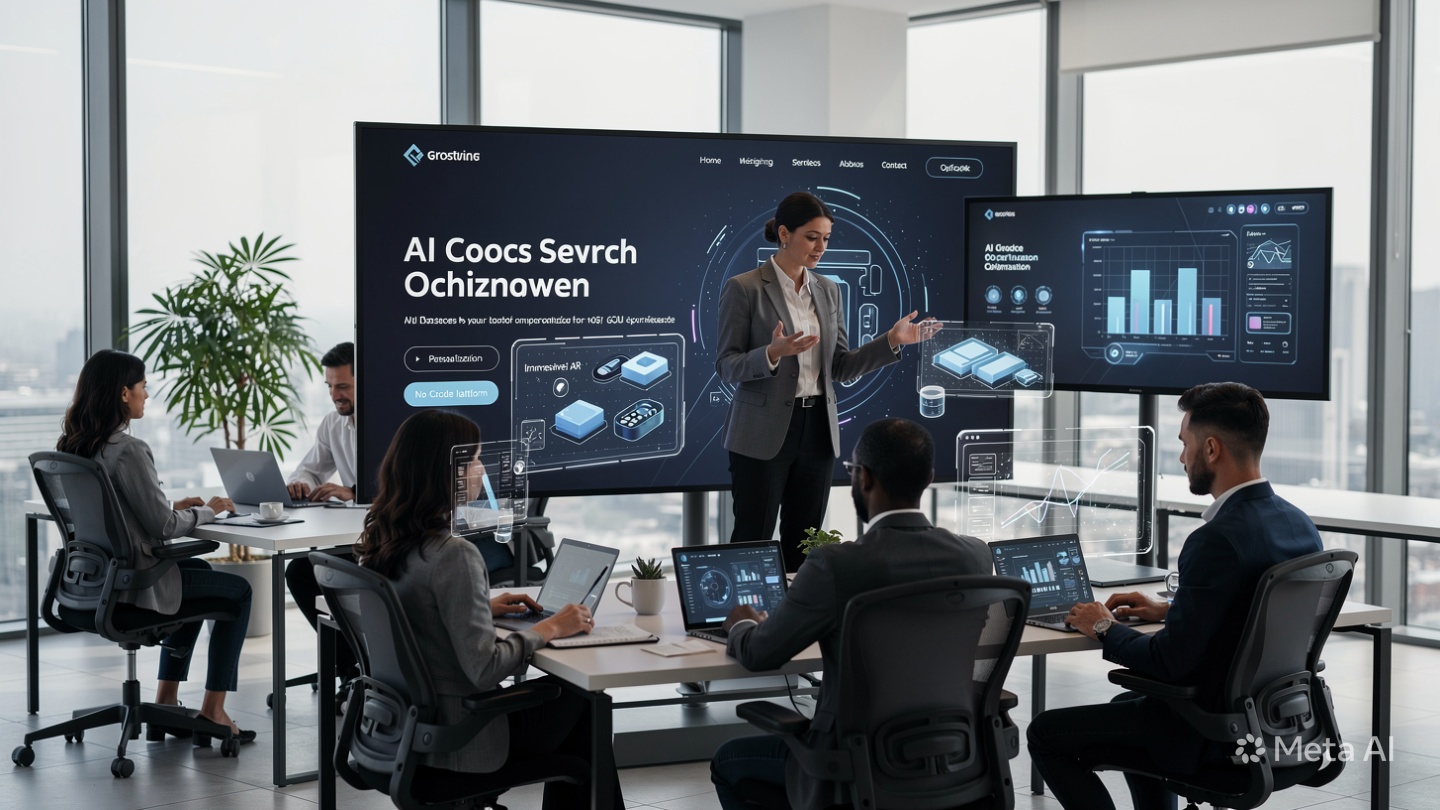
AI personalization, automation, and immersive experiences are shaping the future of web design. For growing businesses, adapting to new technologies is how you stay competitive and relevant.
1. AI Personalization Creates One-to-One Experiences
Static websites are becoming obsolete. The future is dynamic content that adapts to each visitor. AI-driven personalization shows users relevant services, content, and offers based on behavior, location, and intent. A first-time visitor sees educational content. A returning prospect sees case studies. For Minneapolis businesses, personalization increases engagement, time on site, and conversion rates without adding manual work.
2. Automation Streamlines UX and Operations
Chatbots, smart forms, and automated scheduling are now baseline expectations. Future websites will use AI assistants to answer questions, qualify leads, and book appointments 24/7. Backend automation will connect forms to CRMs, trigger email sequences, and update inventory in real time. Less friction for users means more efficiency for your team.
3. Immersive Experiences Raise the Bar
Interactive 3D visuals, micro-animations, and scroll-triggered storytelling make websites feel alive. Augmented reality product previews and virtual tours let customers experience services before buying. These immersive elements increase dwell time and memorability. As devices get faster, expect richer experiences to become standard, not premium.
4. Voice and Visual Search Change Navigation
Users are searching with voice commands and images, not just text. Future-ready design includes conversational interfaces, FAQ schema for voice results, and optimized visual search. Navigation will shift from menus to intent-based interactions. Businesses that adapt early will capture traffic competitors miss.
5. Performance and Privacy Remain Critical
Core Web Vitals will keep evolving. Sites must load instantly on any connection. At the same time, data privacy laws are tightening. Future websites will balance personalization with transparency, using first-party data, consent management, and secure frameworks. Trust will be a competitive advantage.
6. No-Code and Modular Design Enable Agility
Businesses need to launch campaigns and update content fast. Modular design systems and no-code tools let teams adapt without developers. Future websites are built for speed of iteration. What takes weeks today will take hours tomorrow.
Businesses that adapt to new technologies remain competitive in crowded markets. At Optimum Design Technologies, we build future-ready websites for Minneapolis designed for long-term growth. From AI integration to UX strategy to performance, we ensure your site evolves with your customers.
The future of web design isn’t coming. It’s already here. Call Today for Free Consultation! 260-220-9000